
How smart and digital can 24/7 walk-in store concepts be?
Since 2022, unmanned mini supermarkets, also known as Smart Stores 24/7, have been experiencing strong growth. There are now seven different models, distinguished by varying degrees of digital integration.
With this new operating model, small supermarkets can be operated in locations where employing staff is not worthwhile. In addition, the stores offer the possibility of opening outside traditional opening hours, up to and including 24/7 operation. In the Smart Stores 24/7 category, according to Prof. Dr. Stephan Rüschen (professor of food retail and head of degree program at DHBW Heilbronn since 2013), seven different models are currently being offered, whose customer journey is continuously being further developed.
Characteristics of unmanned stores
Smart Stores 24/7 are unmanned stores that, due to their design, can be open around the clock. They have four essential characteristics:
- They operate without checkout staff, which means that customers must complete their purchases independently (Automated Self Service).
- This self-service model makes it possible to open the stores at times when operating with staff would be unprofitable or not legally permitted (e.g. at night or on public holidays).
- Since there is no checkout staff, payment is exclusively cashless.
- Before using the store, customers must identify themselves, for example through a bank card, by entering an email address, or by creating a customer account.
Grab & Go
Grab & Go is still in the testing phase. The advanced Grab & Go technology, which is based on computer vision and sensor fusion and was introduced by Amazon in Seattle in 2016, is still in the testing phase in Europe. Various retailers, including Rewe, Aldi, Tesco, and Carrefour, have launched pilot projects, but only the Polish provider Zabka is already operating more than 60 such stores in regular operation. Amazon, on the other hand, plans to discontinue its Grab & Go stores.
The customer journey has changed significantly in recent years. While an app was initially required, access to the stores is now also possible via a debit or credit card. Due to the high costs, however, widespread adoption is not to be expected in the short term.
Self-scanning
Self-scanning dominates the technology: The majority of Smart Stores 24/7 rely on self-scanning solutions. Customers are already familiar with this technology from brick-and-mortar retail, which makes the transition to unmanned shopping easier. In countries such as Germany, the Czech Republic, and Sweden, there are already many such stores, and operators are planning ambitious expansion, especially in rural areas, to close supply gaps.
App-based solutions
App-based solutions for direct sales: App-based systems are particularly suitable for direct sales, as they require low hardware costs. Access to the shop, product scanning, and payment are handled entirely in the app. This saves operators from investing in self-scanning technologies and also enables them to sell items without a GTIN via self-created QR codes.
RFID-based solutions
RFID-based solutions are on the rise: A practical alternative. RFID technology, which is already used in traditional stores by clothing retailers such as Decathlon, Uniqlo, and Zara, is also used in some Smart Stores 24/7, especially in the food sector. RFID is particularly useful for butcher shops, as it makes it possible to check the expiration date at the push of a button and optimize inventory management.
Hybrid and cross-channel solutions
Hybrid and cross-channel solutions are becoming increasingly important: The experience gained over the last five years with the unmanned operation of branches has led to the development of hybrid models. For a short time now, some operators have been combining staffed and unstaffed opening hours. This could become a preferred solution in the future in order to meet the desire of some customers for personal contact. During staffed hours, cash is also accepted, which is an advantage especially in Germany, where cash payment still remains relevant. In addition, customers can access the online shop via QR codes or integrate click & collect solutions such as those used by DM.
Robot boxes
Robot boxes as an alternative: In contrast to previous walk-in solutions, closed robot boxes enable access to goods via a terminal. Orders are picked in the background by robots and made available at a dispensing station. Various providers such as Latebird or VPS Roberta have developed these technologies. These boxes are particularly efficient because theft is ruled out.
Vending machine stores
Vending machine stores – New developments: Vending machine stores have also evolved. These concepts use several vending machines to offer a broader assortment that goes beyond classic snacks and represents a kind of local convenience supply. Such vending machine stores can be found in both urban and rural areas. Smaller businesses and farm shops in particular are increasingly relying on this solution.
Challenges and distribution
The introduction of Smart Stores 24/7 brings with it several challenges:
- A user-friendly and simple customer journey is crucial.
- The logistics of the often small stores with limited storage space are complex.
- Theft prevention is relevant for almost all concepts.
- Legal requirements, especially concerning Sunday opening, must be taken into account, which so far has only been fully regulated in two German federal states (Hesse and Mecklenburg-Western Pomerania).
So far, Smart Stores 24/7 are primarily found in rural areas. In the future, however, they could also emerge at gas stations, in hotels, business parks, and city centers. The current focus is on food, but the technologies could also be used for non-food assortments. Due to the different location requirements, it can be assumed that all the technologies mentioned have their justification and will become established in the long term.
Smart Stores 24/7 are a strongly growing niche due to the shortage of skilled workers in retail. In Germany, there are already more than 500 such stores. Even if they will probably remain a niche solution, they represent an important complement to traditional food retail.
In this blog post, we would like to show how our
software is already capable today of making use not only of the possibilities based on computer vision and sensor fusion, but also of all other possibilities.
The following presents a typical scenario for the use of a self-scanning system.
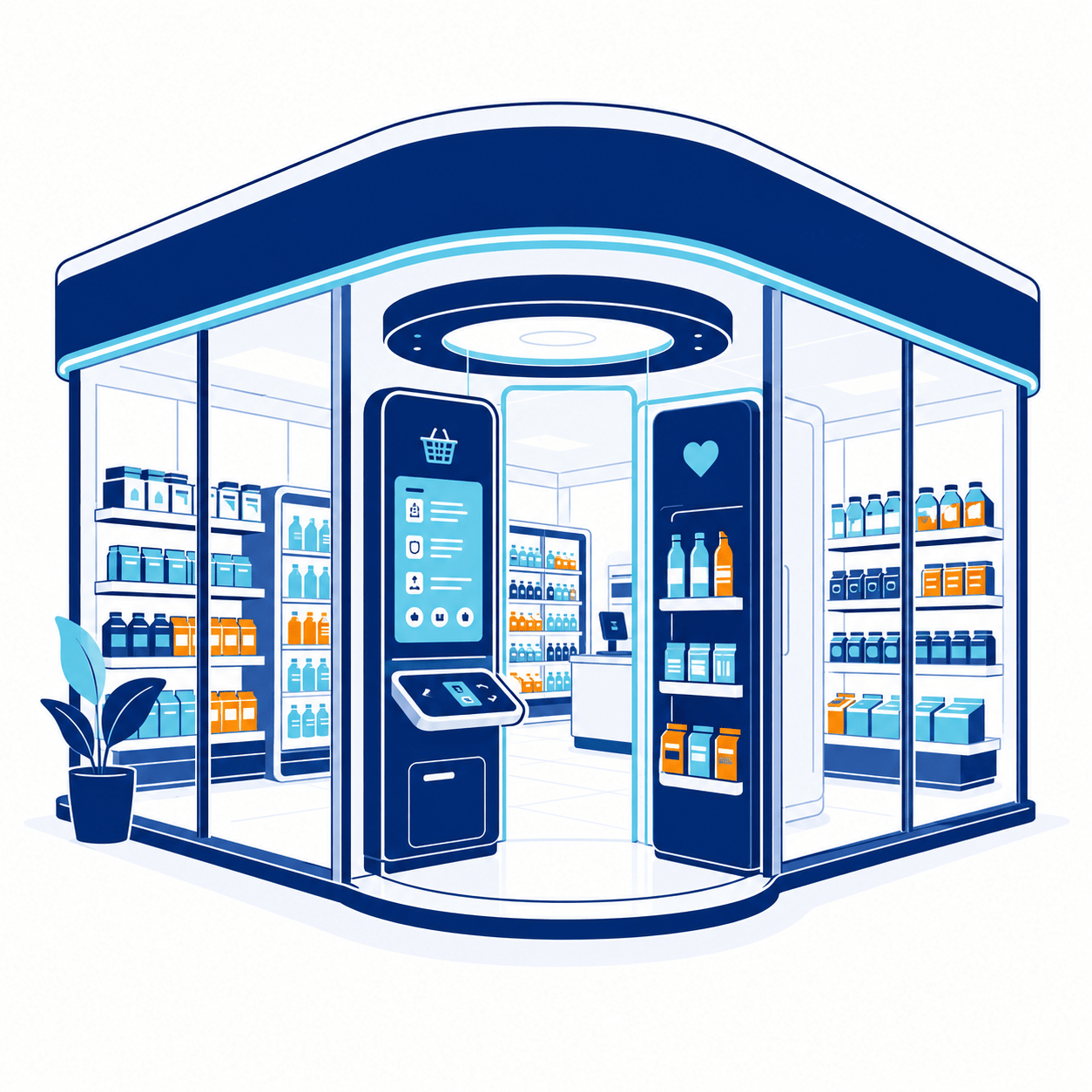
The unmanned walk-in store concept is currently experiencing remarkable growth in Germany and is increasingly revolutionizing classic local supply. As a pioneer of this development, one of the first stores of this kind, "Teo," opened its doors in Fulda as early as November 2020. This step marked the beginning of a new era, and since then numerous similar, technologically advanced store concepts have become established throughout the country. These fully automated stores are characterized by an astonishingly broad range of products that goes far beyond bare essentials: the assortment extends from quick snacks and chilled drinks to fresh food, drugstore items, and other important everyday necessities. In this way, they offer a maximally flexible shopping option for a heterogeneous clientele – whether for working professionals who still need to quickly pick up something before the office, for students at university, for commuters on their late journey home, or for residents in neighborhoods without direct access to a supermarket. Their unrestricted 24/7 availability, often coupled with smart access and payment systems, makes them a modern, efficient, and extremely convenient solution for the everyday needs of many people who want to remain independent of rigid store opening hours.
Where intelligent technologies are used efficiently
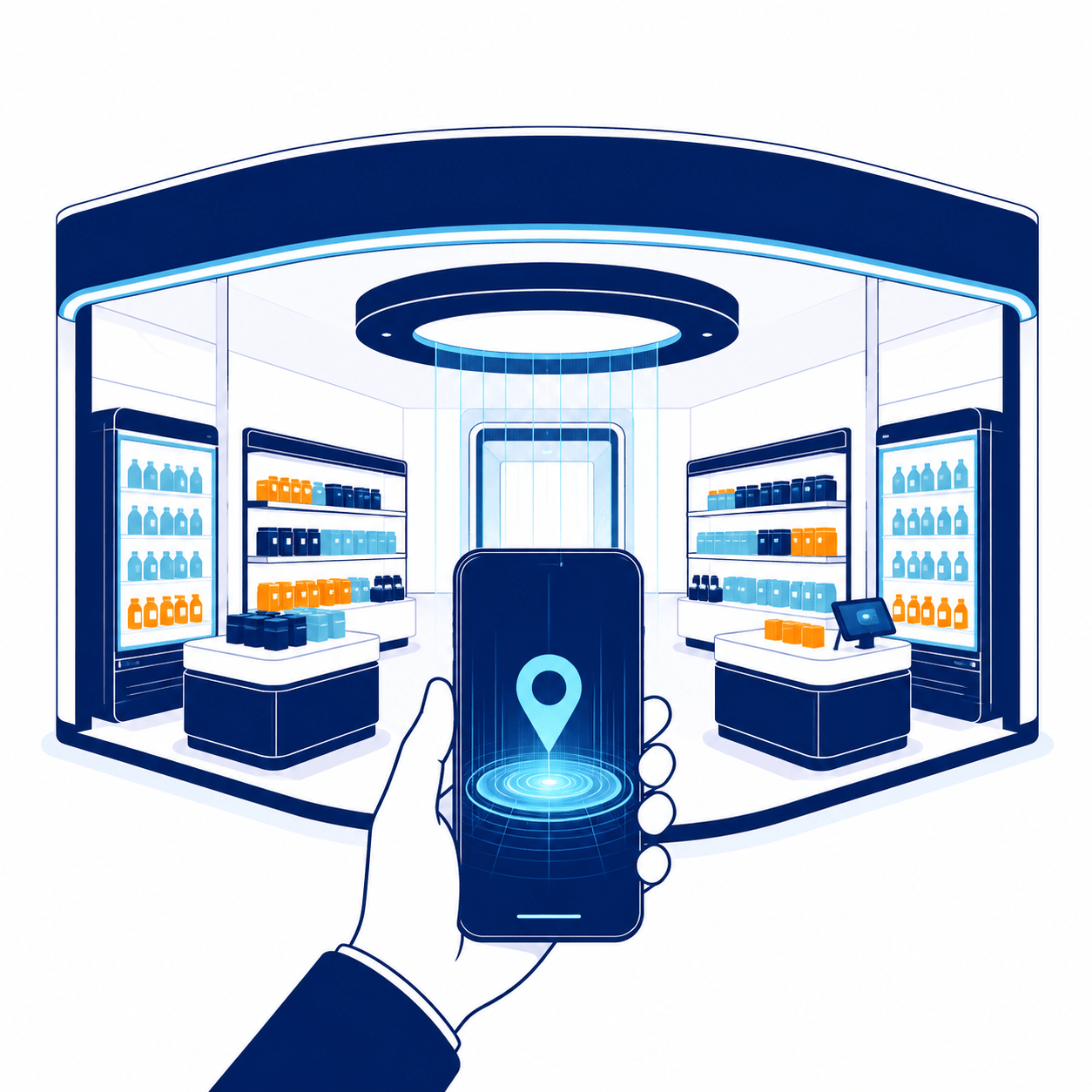
The true intelligence behind these innovative retail concepts, however, goes far beyond what is obvious and arises from the targeted use of advanced technologies, above all specialized software solutions such as Smartstore. Smartstore has profoundly transformed the shopping experience by relocating the entire physical sales space and its contents – from detailed product information to the payment process – directly to the user’s smartphone. Through the seamless integration of such technologies, the shopping experience becomes not only more efficient in terms of process, but also noticeably more modern, intuitive, and user-friendly.
24/7 walk-in store concepts are far more than just a short-term trend
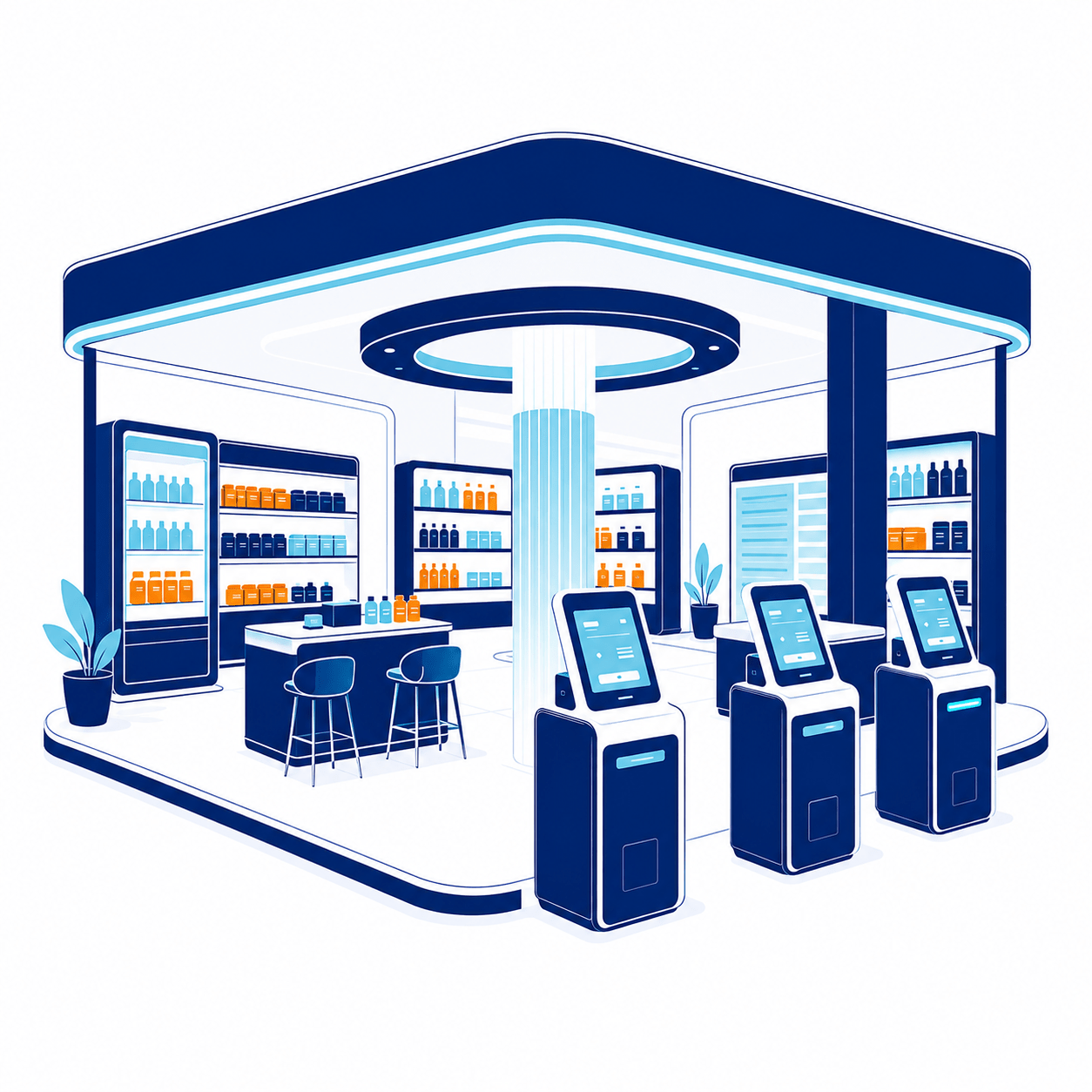
24/7 walk-in store concepts are an innovative and forward-looking development in retail and far more than just a short-term trend. During regular business hours (e.g. Monday to Saturday, 7:00 a.m. to 8:00 p.m.), these stores can be operated with reduced staff. Customers then have the option of paying at staffed checkouts. Outside these times, the concept enters a new phase: the store becomes unmanned, and all shopping processes are handled automatically. This model offers retailers considerable advantages: they can offer an extended service and keep their store open even at times of low customer frequency. This is a win-win situation for customers and retailers alike.
Customer centricity
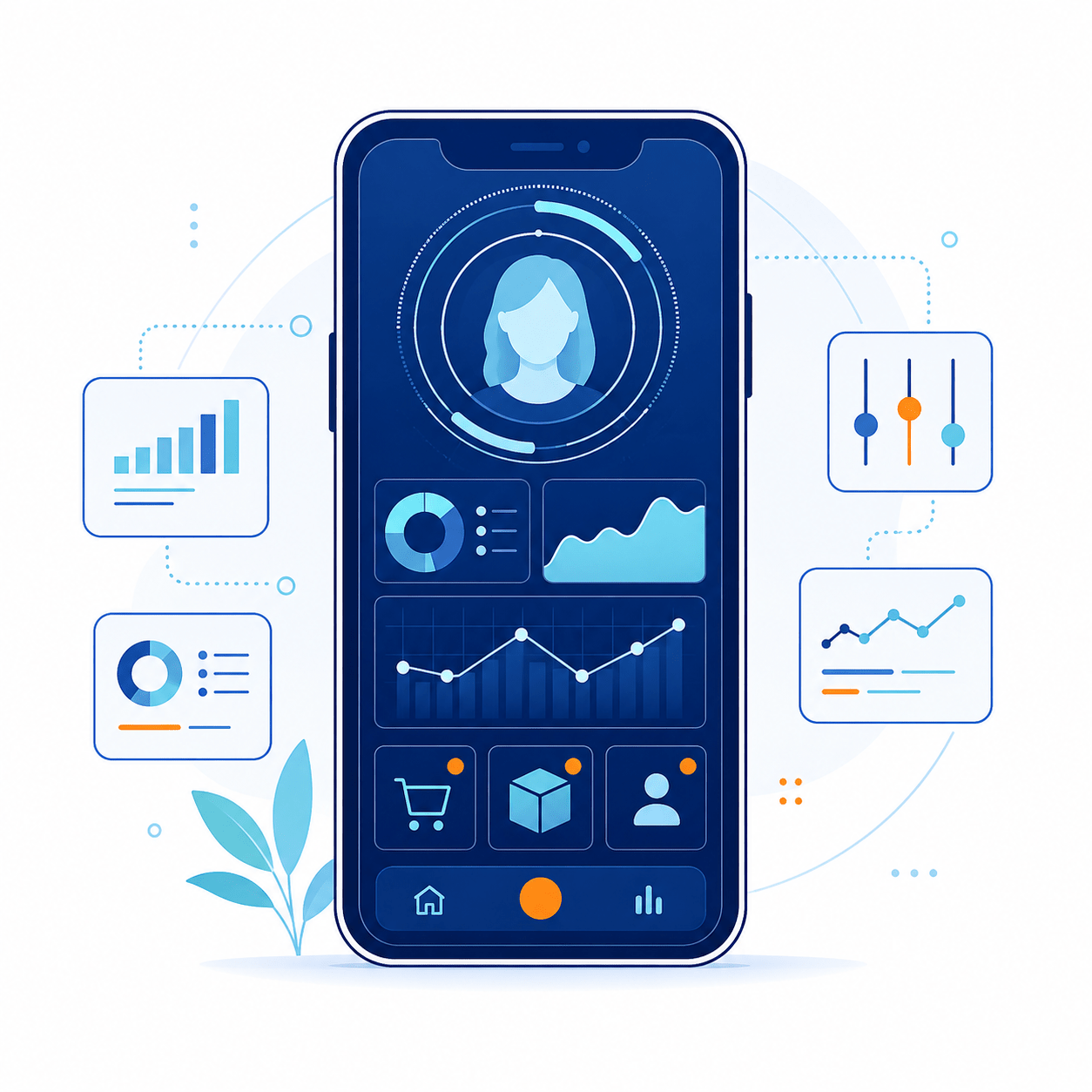
In today’s fast-paced world, personalization in retail – and especially in innovative 24/7 stores – plays an absolutely crucial role for long-term success. It is no longer sufficient merely to offer goods; rather, the goal is to understand and take into account customers’ specific, individual interests and personal perspectives in order to offer them a truly tailored and seamless shopping experience. In most cases, the decisive starting point for this personalized customer journey is the customer’s account. In designing this digital interface, the main focus should definitely be on creating a detailed and meaningful customer profile. In doing so, it is essential to consistently concentrate on a mobile-first strategy, since the majority of interactions today take place via smartphones. A truly deep understanding of the customer, however, can only be achieved through the continuous collection and analysis of information about their shopping behavior, preferences, and current needs. Jeff Bezos’s famous emphasis on wanting to become the “most customer-centric company in the world” impressively underlines the enormous significance of genuine customer centricity. In this spirit, the strategic focus of every modern company should always lie in consistently placing the customer at the center of all entrepreneurial considerations and operational activities in order to build sustainable customer loyalty.
The sales area
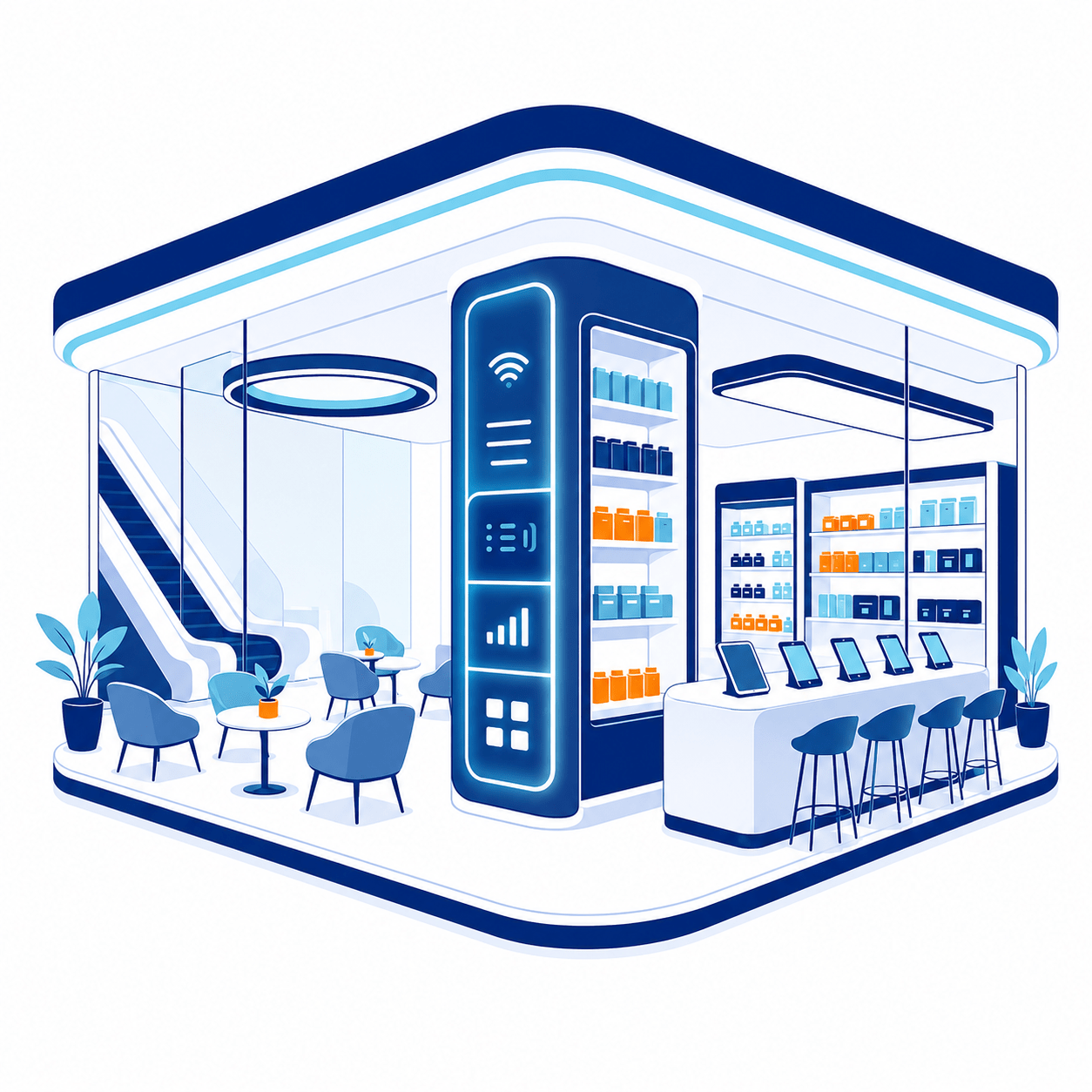
The sales area of the future marks the beginning of a new era in retail and embodies an intelligent, fully automated way of shopping. In this visionary environment, traditional restrictions dissolve completely: there are no more rigid opening hours, so customers enjoy absolute freedom to run their errands at any time of day or night and on 365 days a year. The entire shopping process is consistently designed for maximum autonomy and efficiency. By consciously dispensing with on-site staff and enabling intuitive control via large touchscreens or the seamless integration of customers’ own smartphones, product selection is not only simplified but also accelerated. Long queues at checkouts are a thing of the past, while contactless payment via NFC or mobile wallet ensures a smooth, secure, and fast completion. To further optimize the customer experience and create an additional incentive, the concept is rounded off with digital added value such as flexible credit accounts and attractive, instantly redeemable voucher campaigns. This smart sales area thus creates a holistic shopping world that is uncompromisingly focused on convenience, speed, and the use of cutting-edge technology in order to meet the high demands of the modern consumer.
The online shop
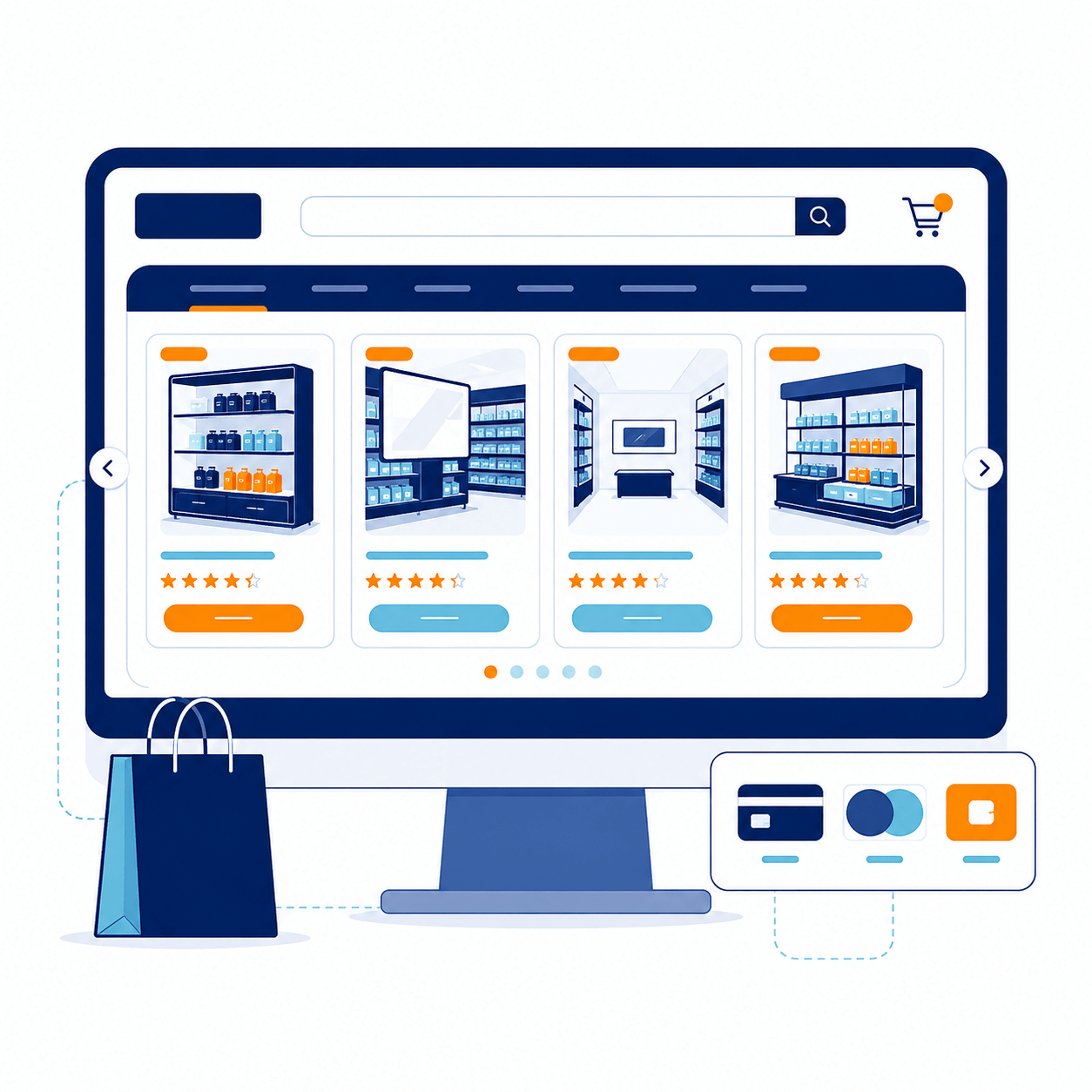
Modern online shops nowadays place an extremely high value on a holistic and optimized customer experience, the so-called user experience. At the center of this is powerful product management that offers far more than standard functions. Essential elements here include precise monitoring and synchronization of stock levels in real time as well as highly flexible price modeling options. Retailers can thus easily implement complex graduated pricing for bulk buyers or scheduled promotional pricing for marketing campaigns. To make products emotionally engaging, interactive content such as high-resolution product videos and 360-degree views is integrated. To actively increase sales, intelligent systems draw on sales-promoting measures such as dynamic cross-selling and checkout selling. In addition, special product configurations such as grouped products and attractive product bundles make it possible to increase cart value in a targeted manner. An outstanding technical feature is multishop capability: it allows retailers to efficiently and centrally manage multiple separate shops (e.g. for different brands or countries) from a single administrative interface. The system also impresses in the sensitive area of payment processing through variety and security. In addition to market leaders such as Amazon Pay, unzer, PAYONE, and PayPal, more than 100 additional, in some cases specialized payment interfaces are available in order to offer every customer their preferred payment method.
Buy with smart self-service
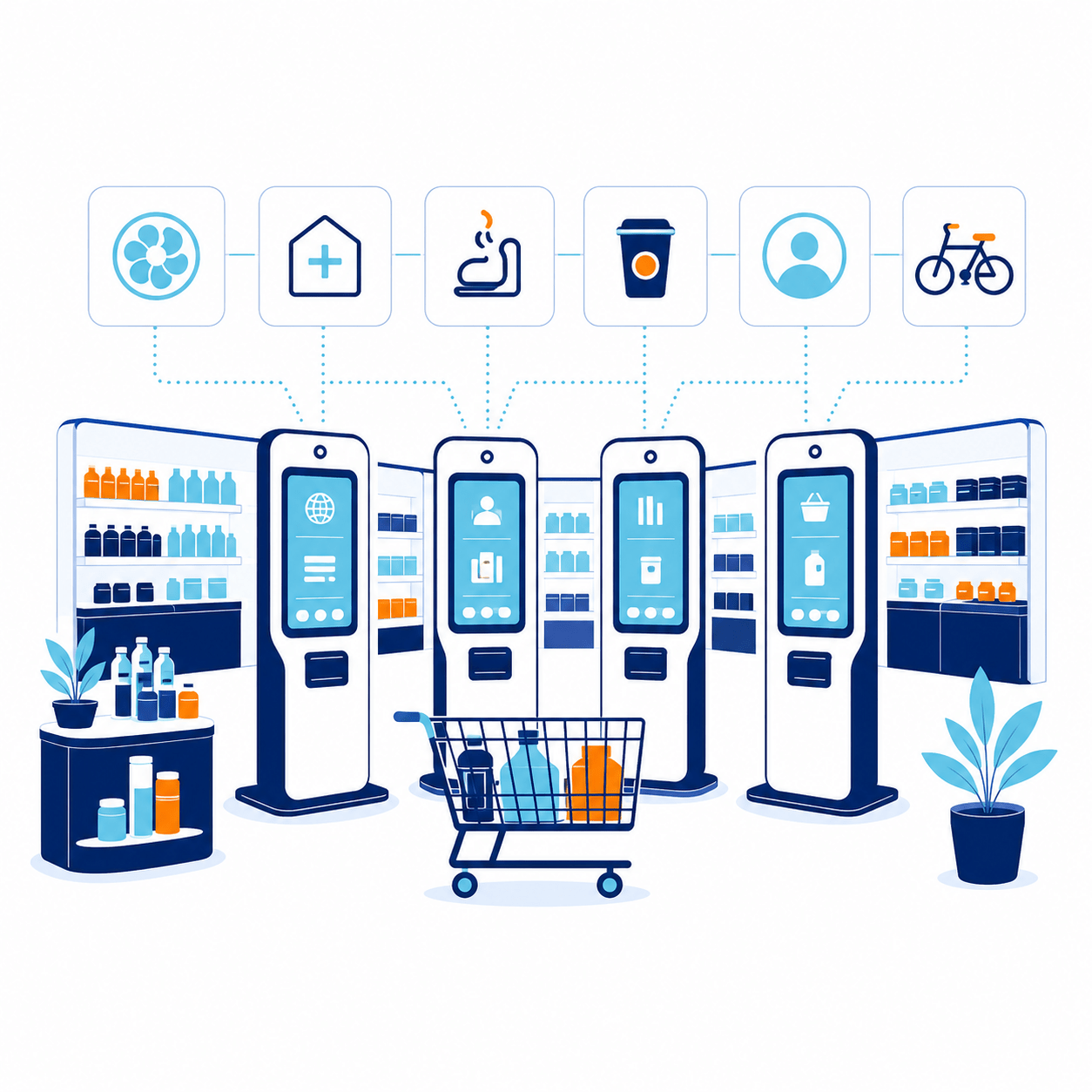
Buying with smart self-service is revolutionizing the way consumers purchase products. Modern technology enables customers to choose from an impressive range of products. This extends from basic foodstuffs such as coffee to more exclusive products such as champagne and from everyday necessities such as blister plasters to specialized goods such as cuckoo clocks and spirits. This diversity appeals to a wide range of customer segments, whether the environmentally conscious shopper, the animal lover, the impulse buyer, or the gourmet enthusiast. The target groups are diverse and range from travelers and students to price-conscious shoppers as well as late risers and early birds. But smart self-service technologies are not limited to retail alone. They are also used in other areas, such as workplace catering, and offer innovative solutions for gas stations. It is clear that these technologies represent the MEGA trends and success factors for the future of self-service. With their versatility, adaptability, and focus on customer convenience, they show the way for the further development of retail and other sectors. Smart self-service stands for a future in which shopping and services are more convenient, faster, and more tailored than ever before.
Inventory up to date
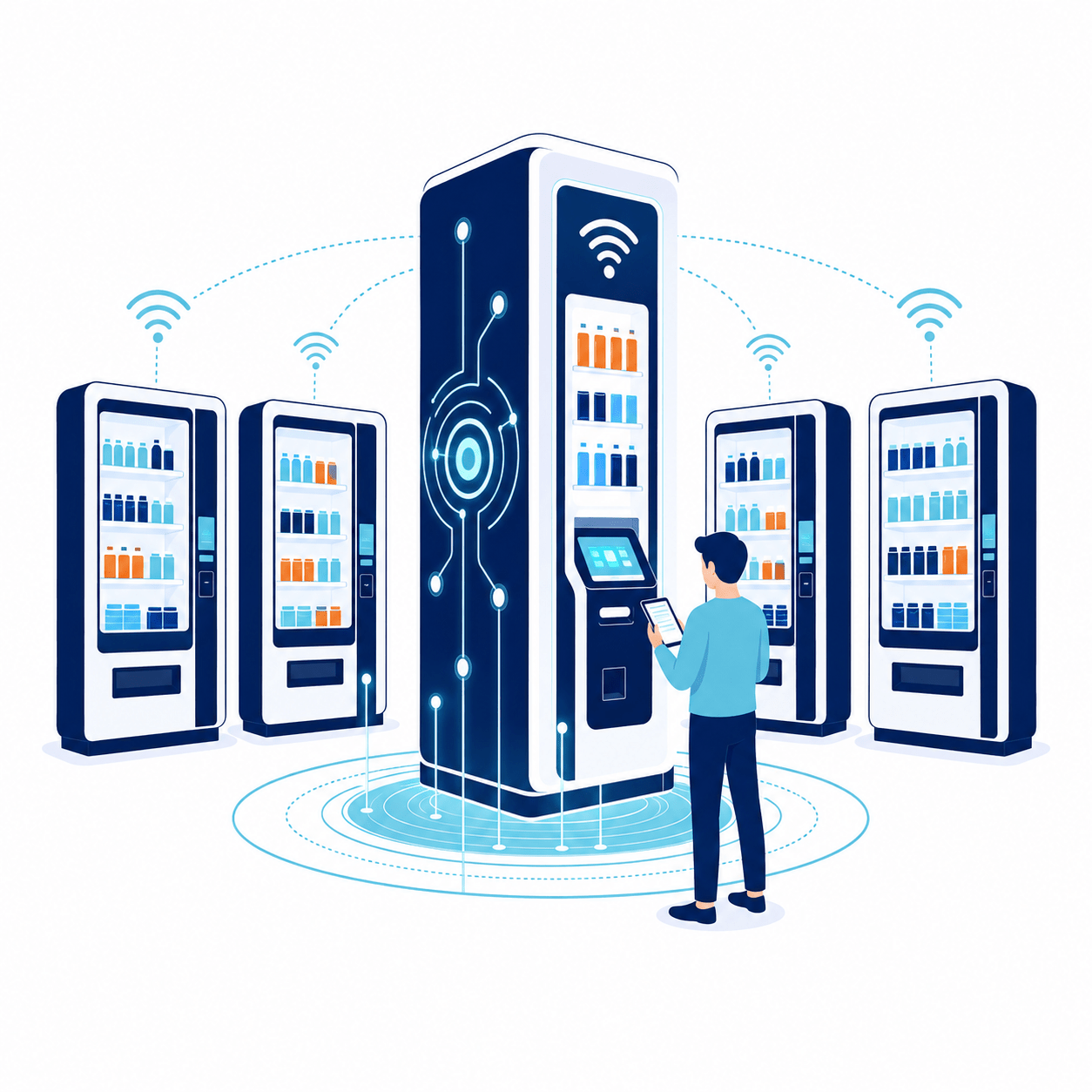
The precise monitoring and efficient management of inventories in modern vending machines is being revolutionized today through the targeted use of advanced IoT (Internet of Things) and telemetry solutions. These innovative technologies function not merely as tools, but as a comprehensive, central management system that establishes a seamless and stable connection between the machines, intelligent refrigerators, and the responsible operators. Smart IoT plays a key role here: it intelligently networks all points of sale with each other, regardless of whether they are concentrated at a single location or distributed across diverse geographical locations. This results in a decisive competitive advantage for operators, as they receive a transparent real-time overview of current inventory on mobile devices such as their smartphones anytime and from anywhere. They can thus immediately identify which items are running low or are already sold out, and also receive automated notifications about upcoming maintenance appointments or technical irregularities of a particular machine. By implementing these technologies, the entire management of the machine fleet becomes significantly more efficient; operators can avoid unnecessary trips, optimize their logistics, and react proactively and in real time to the dynamic needs of the market and consumers.
Scan & Go and more
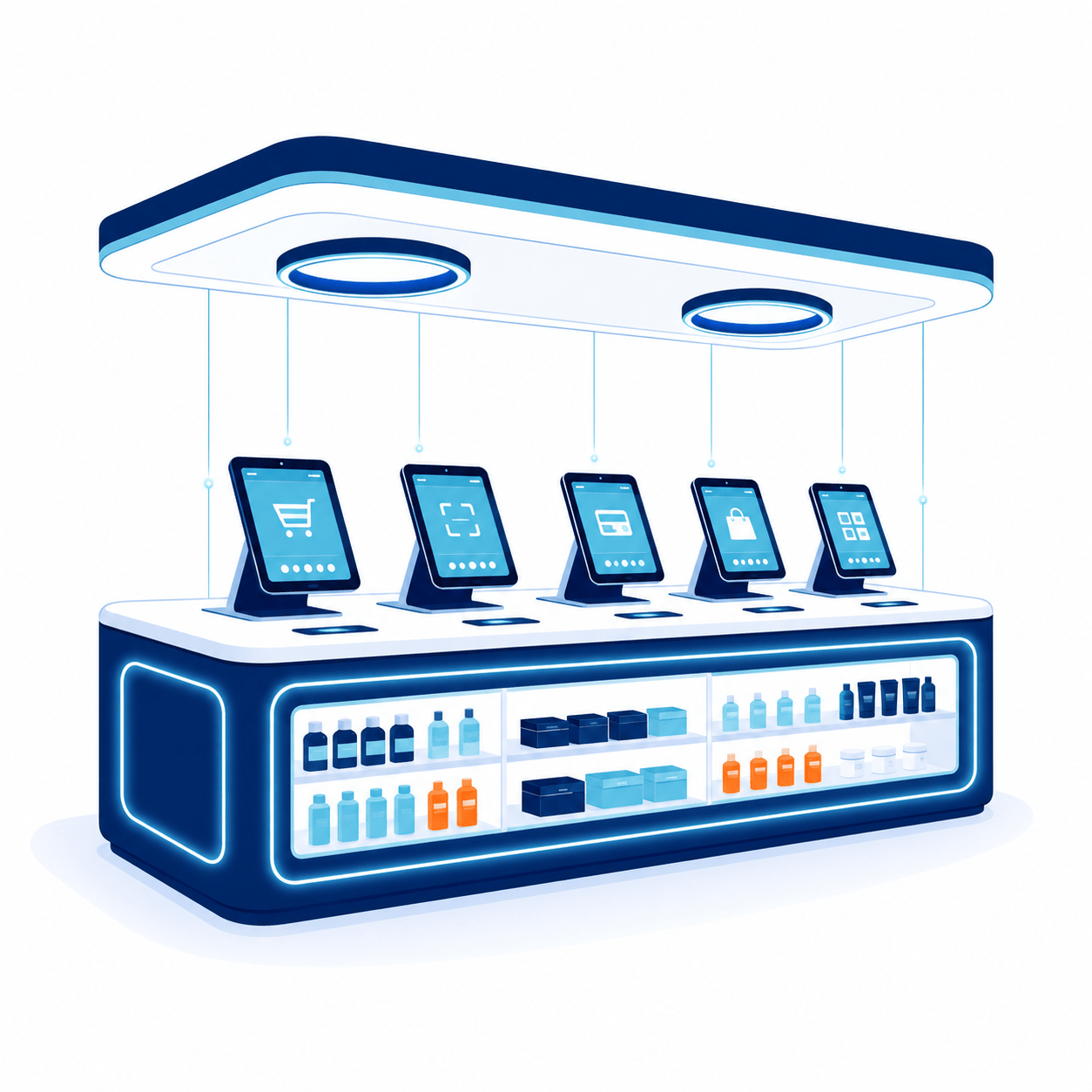
Shopping with a smartphone has fundamentally revolutionized brick-and-mortar retail, with the innovative "Scan & Go" system in particular taking on a pioneering role. In clear contrast to many systems currently available on the market, our solution stands out through one decisive feature: the complete elimination of a separate native app. This means that customers do not have to make cumbersome downloads from app stores, which are often perceived as a barrier, in order to use the service. This barrier-free access not only drastically reduces the initial effort required from the consumer, but also significantly increases spontaneous acceptance and the usage rate at the same time. However, this technologically streamlined concept offers enormous strategic and financial advantages especially to the shop operator. They can dispense with highly complicated, maintenance-intensive, and potentially error-prone processes that would otherwise be mandatory for deeply integrating an app into the existing ERP or merchandise management system. This also eliminates the high investment costs that would normally arise for the development, maintenance, and updates of an additional application. In order to further optimize the shopping experience and meet modern customer needs, our Smart PWA (Progressive Web App) supports a whole series of hybrid workflows in retail. These include established concepts such as "Click & Collect," "Click & Meet," and many other flexible “& Go” options. The overarching goal is to offer customers a seamless, versatile, and maximally convenient shopping experience that perfectly combines the advantages of online shopping with brick-and-mortar retail.
Smart MDM & Smart CRM
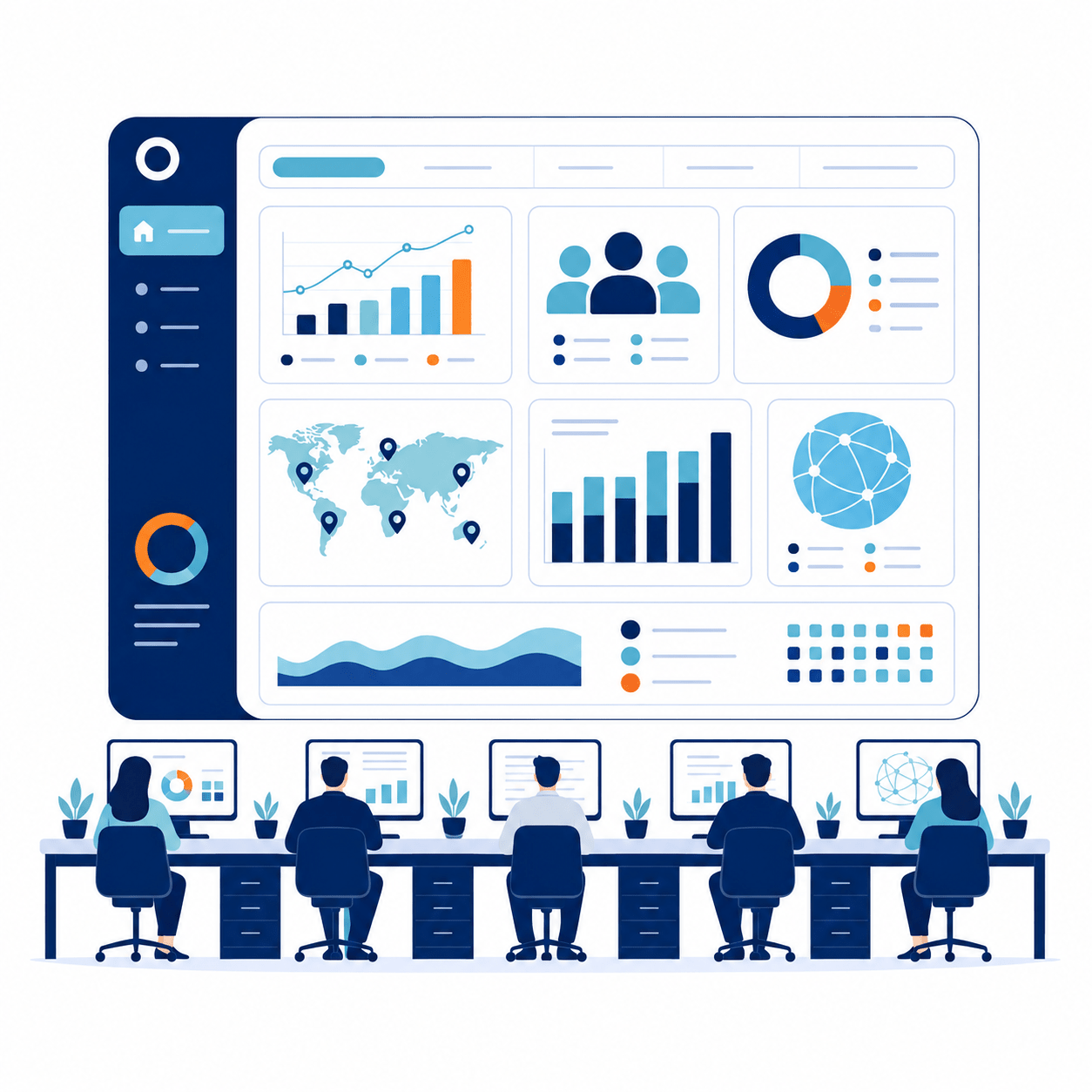
With Smartstore’s comprehensive software solution, companies are able to sustainably optimize their critical business processes through highly modern master data management (MDM) as well as sophisticated customer data management (Customer Relationship Management, CRM). Smartstore’s Smart MDM system serves as a central control hub that makes it possible to bundle all digital master data – from product information to supplier data – in a single, intuitive application. This eliminates data silos and offers the decisive advantage that companies can significantly increase their operational efficiency. By managing all information in a central repository (Single Point of Truth), data consistency is maintained, while interfaces enable seamless synchronization with existing ERP or merchandise management systems in real time. Complementing this, Smartstore’s Smart CRM module creates a powerful platform for aggregating and centralizing all customer-related interactions and data points. Advanced functions such as the unification of customer profiles across various channels, detailed customer data modeling, as well as tools for real-time personalization and process automation are deeply integrated into the system. By bringing all customer data together in a single central location, companies obtain a 360-degree view of their target groups, making measures for data personalization, granular data segmentation, and complex marketing automation not only easy to implement, but also highly efficient. The synergistic connection of both systems thus offers a coherent, scalable, and effective overall solution for the strategic management and profitable use of company and customer data in the digital age.
POS system for payment acceptance and sales tracking
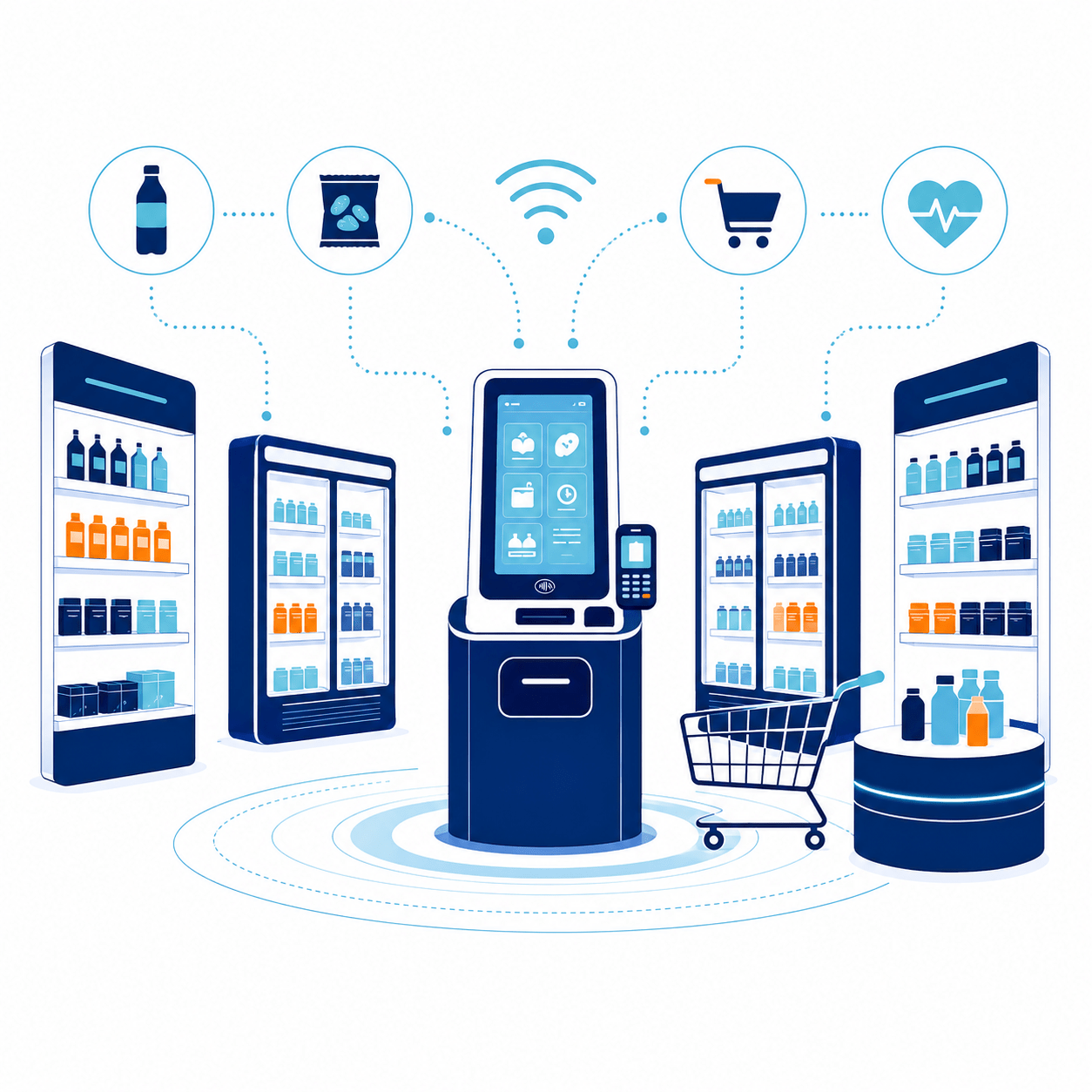
The POS system is far more than a mere cash register; it functions as a comprehensive central solution for the entire payment process and detailed sales tracking in modern retail. It has been developed with the utmost care to precisely map a wide range of requirements: it meets customers’ expectations of fast processing, supports employees through intuitive usability, and at the same time ensures strict compliance with all legal requirements of the financial authorities. Through its enormous versatility and high adaptability, the system enables seamless and disruption-free integration into the daily operations of retail business.
As a flexible complement to digital payment channels, the full acceptance of cash is alternatively also possible at any time in order to meet all customer wishes. The cash desk of the renowned company GeWeTe represents a state-of-the-art payment station for retail that intelligently automates the entire payment process at checkout. Through the targeted use of advanced technology for processing cash payments, the cash desk effectively helps to significantly reduce waiting times in the checkout area and noticeably increase operational efficiency. It offers maximum flexibility through its hybrid concept, which enables both use as a pure self-checkout system and a staffed mode with personnel, thereby sustainably contributing to the improvement of the customer experience. In addition, minimizing manual cash handling through closed-loop systems ensures a much more hygienic way of working and creates a safer environment that minimizes discrepancies and theft in retail.
Digital touchpoint – interactive information surfaces for the store
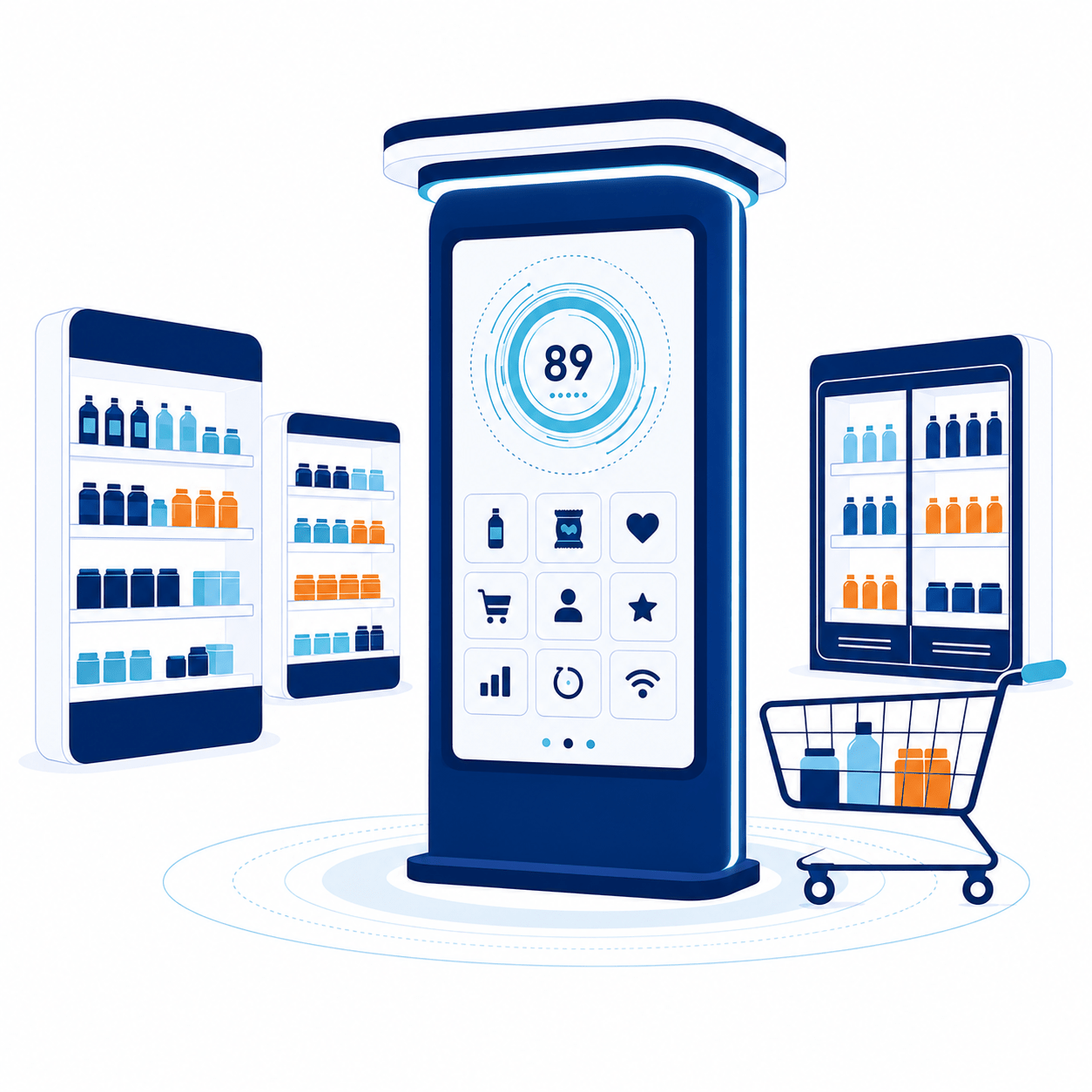
In today’s modern retail landscape, customers are accustomed to accessing comprehensive information via the internet at any time. This expectation includes detailed product descriptions, technical specifications, as well as authentic customer reviews that ensure an item exactly matches individual requirements. This familiar online transparency and depth of information can now be seamlessly transferred to brick-and-mortar retail: through the integration of intelligent digital kiosk systems, the shopping experience at the point of sale is revolutionized. Such interactive terminals enable customers to retrieve in-depth product information directly in the store, far beyond the details shown on the price tag. A particular added value is created through the possibility of virtual specialist advice: customers can connect live and directly on site via video chat with specialized advisors, even if they are not physically present in the branch. For regional retailers, this opens up new opportunities, especially through the automated presentation of matching accessories or complementary products (cross-selling), which can increase average cart value. In addition, the problem of limited storage space and missing stock is solved: if a desired product or a certain size is not in stock, the kiosk system functions as an “extended sales counter.” Thanks to system integration, the customer can immediately order the item and have it conveniently delivered to their home. This hybrid approach creates a perfect symbiosis of the tactile experience of traditional shopping and the limitless availability of modern e-commerce, thus merging both worlds intelligently and in a customer-oriented manner.
Advantages of Grab & Go and Scan & Go technology with Smart Checkout
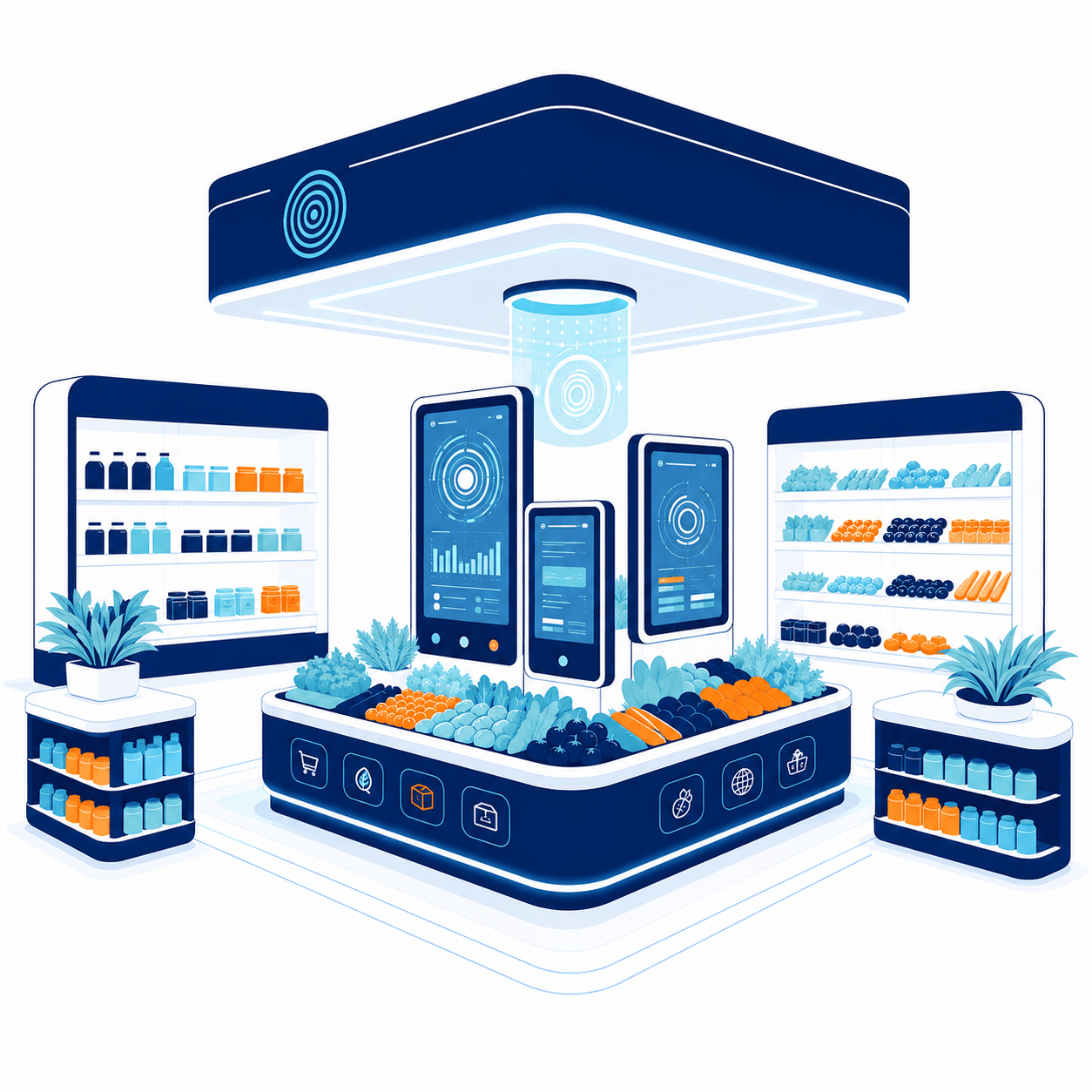
The innovative Smart Checkout technology is revolutionizing brick-and-mortar retail through two outstanding key functions: Scan & Go and Grab & Go. With these advanced solutions, customers can shop around the clock in unmanned stores by either conveniently scanning products directly at the shelf with their smartphone or simply placing them on specially marked sensor surfaces. This enables a completely smooth and, if desired, fully contactless shopping experience (hands-free) which – unlike many competing systems – manages entirely without invasive camera tracking. A decisive advantage for registered customers is the seamless checkout process: after shopping, they can simply leave the store, as billing takes place automatically in the background, without requiring a stop at a physical checkout. In addition to increasing efficiency, Smart Checkout provides a significant improvement in the overall customer experience. The technology eliminates queues, drastically shortens shopping time, and offers maximum flexibility through various integrated payment options. Customers enjoy the freedom to shop at their own pace and use their preferred payment method. Finally, the process is optimized by the automatic provision of digital receipts, which is not only more environmentally friendly, but also puts a definitive end to the tedious collection of paper receipts.
Cloud platform: More satisfied store customers thanks to IoT sensor technology
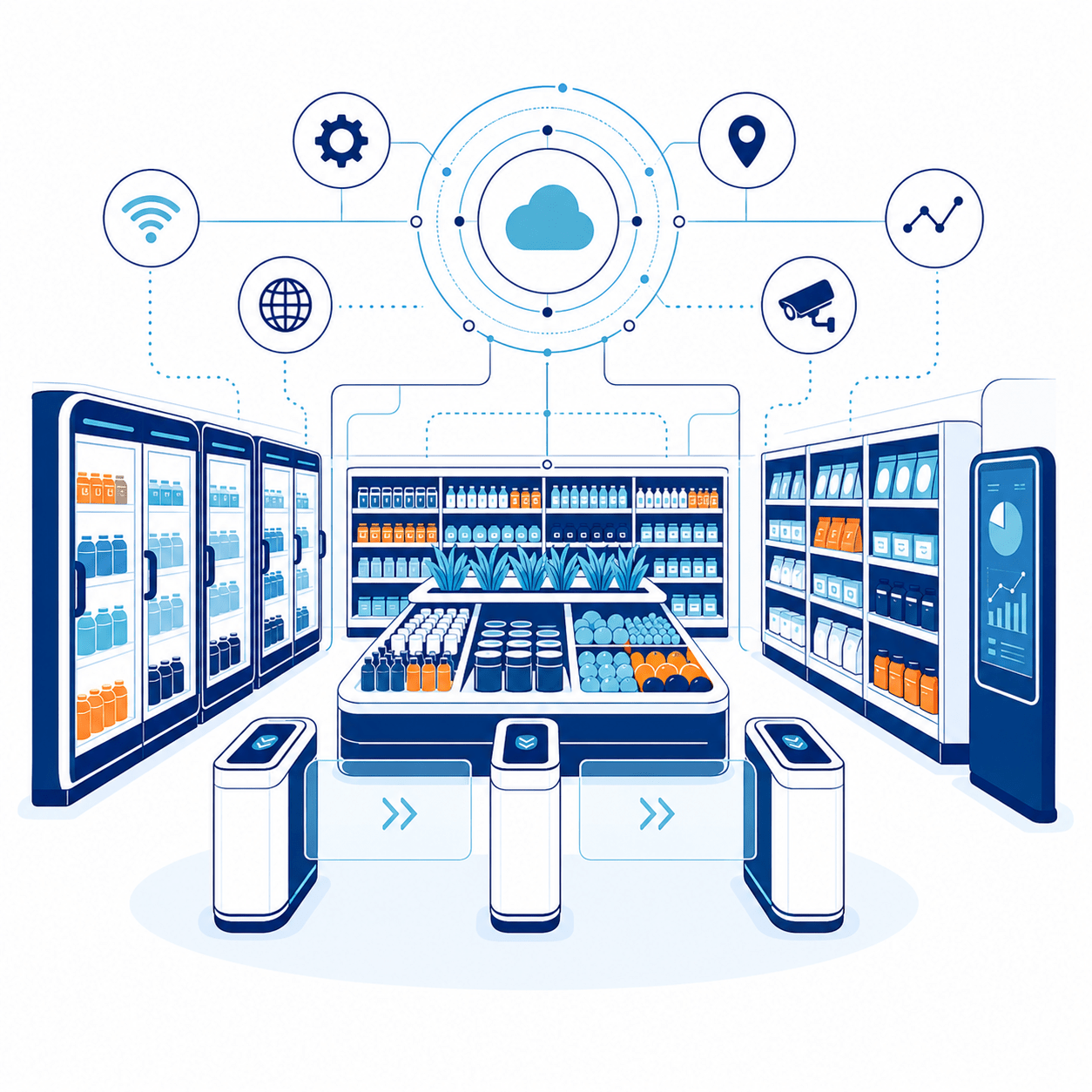
IoT sensors and powerful cloud platforms are increasingly proving to be indispensable key components for sustainably increasing customer satisfaction in brick-and-mortar stores and optimizing the shopping experience. Everyday challenges that customers face, such as empty vending machines or frozen products impaired by temperature fluctuations, can be successfully and preventively addressed by integrating these advanced technologies. The technical solution consists of attaching specialized IoT sensors to a wide variety of devices and infrastructures in the store; these include, among other things, entrance doors, vending machines, frozen-food vending machines, refrigerators, intelligent shelves, checkout areas, and other relevant facilities. These sensors are designed to continuously monitor the operating status and environmental variables of these devices in real time. If predefined thresholds for certain parameters, such as a critical temperature deviation or inventory levels that are too low, are exceeded or fall below the limit, the sensors automatically transmit this vital information to a managed IoT cloud platform to enable immediate countermeasures.
Sell age-restricted items 18+
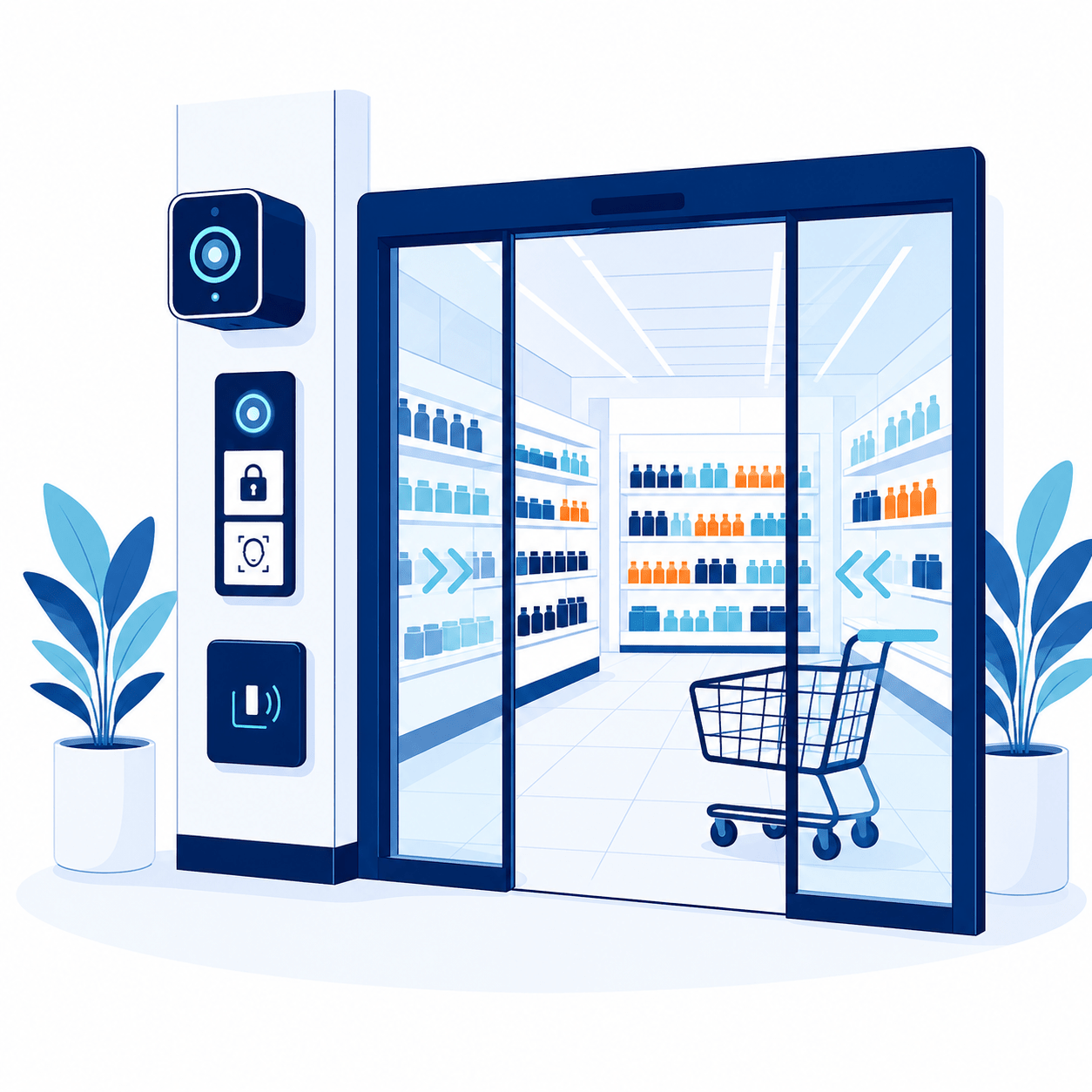
In order to strictly comply with legal youth protection regulations and ensure that minors do not gain access to the sales area or specific goods reserved exclusively for adults, the use of modern biometric solutions has proven to be extremely effective. These technologies enable the legally compliant and automated sale of sensitive goods such as alcohol, tobacco products, or e-cigarettes to persons aged 18 and over. We present four specific and practical implementation scenarios for this purpose:
- First, the technology can be integrated directly into vending machines or modern self-checkout terminals in order to regulate the sale of age-restricted products autonomously, without the need for staff to be permanently present.
- Second, precise facial recognition can already be used for access control at the store entrance in order to deny persons under 18 physical access to the store from the outset – an ideal solution for specialized retail stores.
- Third, anonymous age estimation allows the sale of age-restricted products while protecting privacy; in this process, for example, an official ID is held in front of a camera and artificial intelligence decides in real time through a comparison whether the item may be sold.
- Fourth, there is the option of storing photos of persons in a database in advance – of course in strict compliance with the General Data Protection Regulation (GDPR) and with explicit consent. This enables fast and convenient approval of goods for registered customers, whether at vending machines or in person, and can also be used technologically for the automatic control of doors.
In summary, these biometric security solutions offer an extremely effective method of automating and regulating the sales process for age-restricted products while unquestionably ensuring that only adult customers are granted access to this assortment.
Use self-scanning (Scan & Go) with your own smartphone
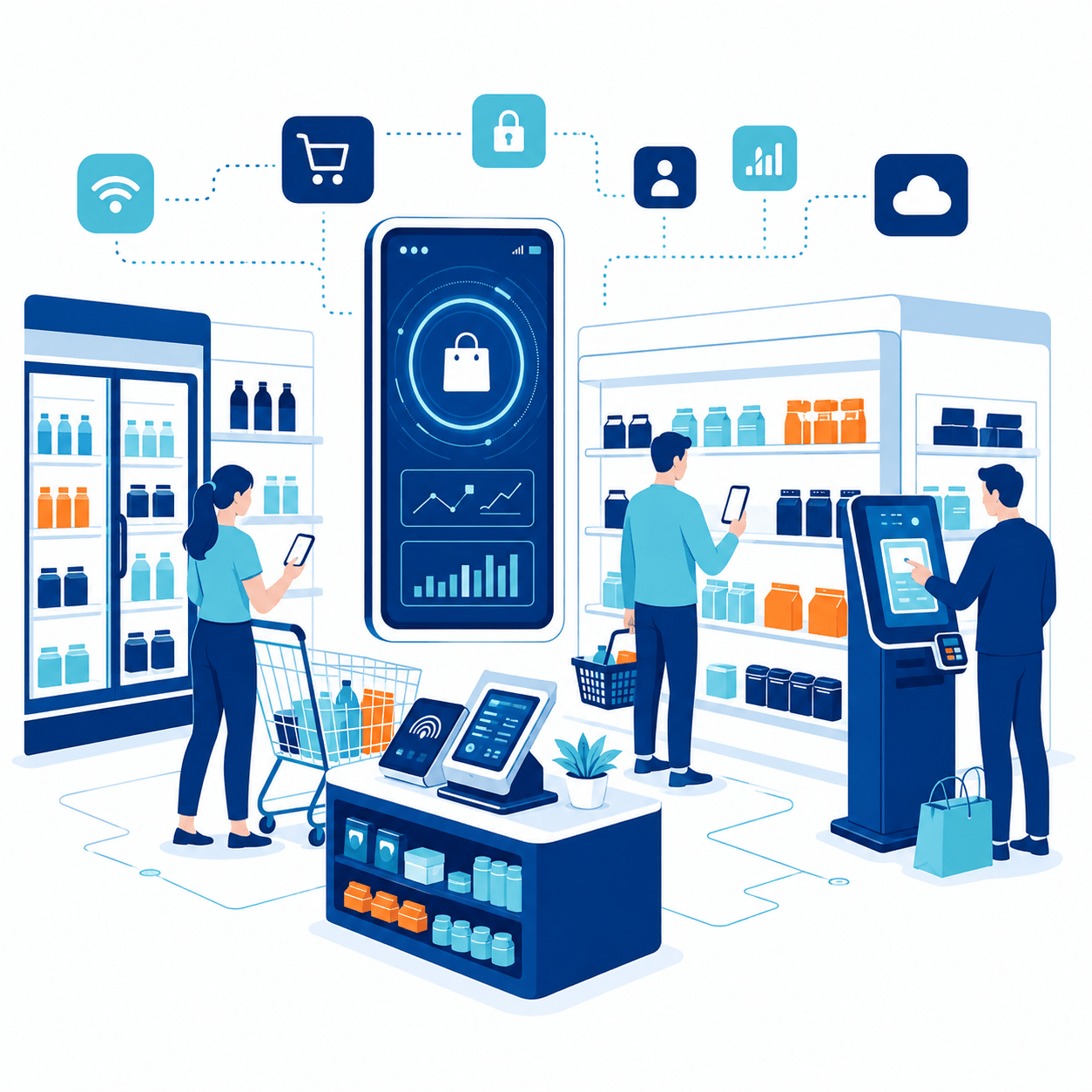
Our highly advanced Smart PWA was specially designed to comprehensively optimize the shopping experience in 24/7 stores and to provide all functions required for smooth operation. Since the entire product assortment is clearly visualized as an online shop, customers can conveniently scan products directly at the shelf with their smartphone camera and immediately place them in the digital shopping cart. Completing the purchase is extremely flexible: it can be done either directly online or via QR code using securely stored payment data. Alternatively, for maximum independence, we offer the possibility of immediate cashless payment at a payment terminal, where common debit and credit cards are accepted.
Conclusion
The introduction of autonomous supermarkets and around-the-clock open smart stores marks not merely a fleeting trend, but the beginning of a fundamentally new era in retail. In a dynamic world in which technology and innovation are increasingly at the center of our everyday lives, these futuristic concepts offer customers an unparalleled, seamless shopping experience and set entirely new standards for the supply structures of the future. By eliminating traditional checkout areas and creating independence from rigid opening hours, consumers gain flexibility and time. The rapid advances in this field, driven by artificial intelligence and sensor technology, will undoubtedly help make shopping more convenient, more efficient, and through interactive elements also more exciting. Retailers will continue striving to exceed their customers’ expectations through personalized offers and maximum service convenience. The future of shopping therefore promises an exciting journey through a world in which technology and convenience merge in perfect symbiosis.
Do you have questions about this topic? Or would you like to send us your feedback? Then you can reach us via the contact form, by email at info@smartstore.com or by phone from Monday to Friday between 10 a.m. and 4 p.m. at +4923153350.